Why brand systems are key to scaling product strategy
Software · 2021
Thread
I joined Thread as a founding designer with full ownership of both product design and brand. My responsibility was to build the entire design function from the ground up, uniting product experience and brand expression into a single scalable system.
Formerly Unchartech, the tool helped investment teams and asset managers with a key part of their workflow: researching topics that inform investment thesis insights.
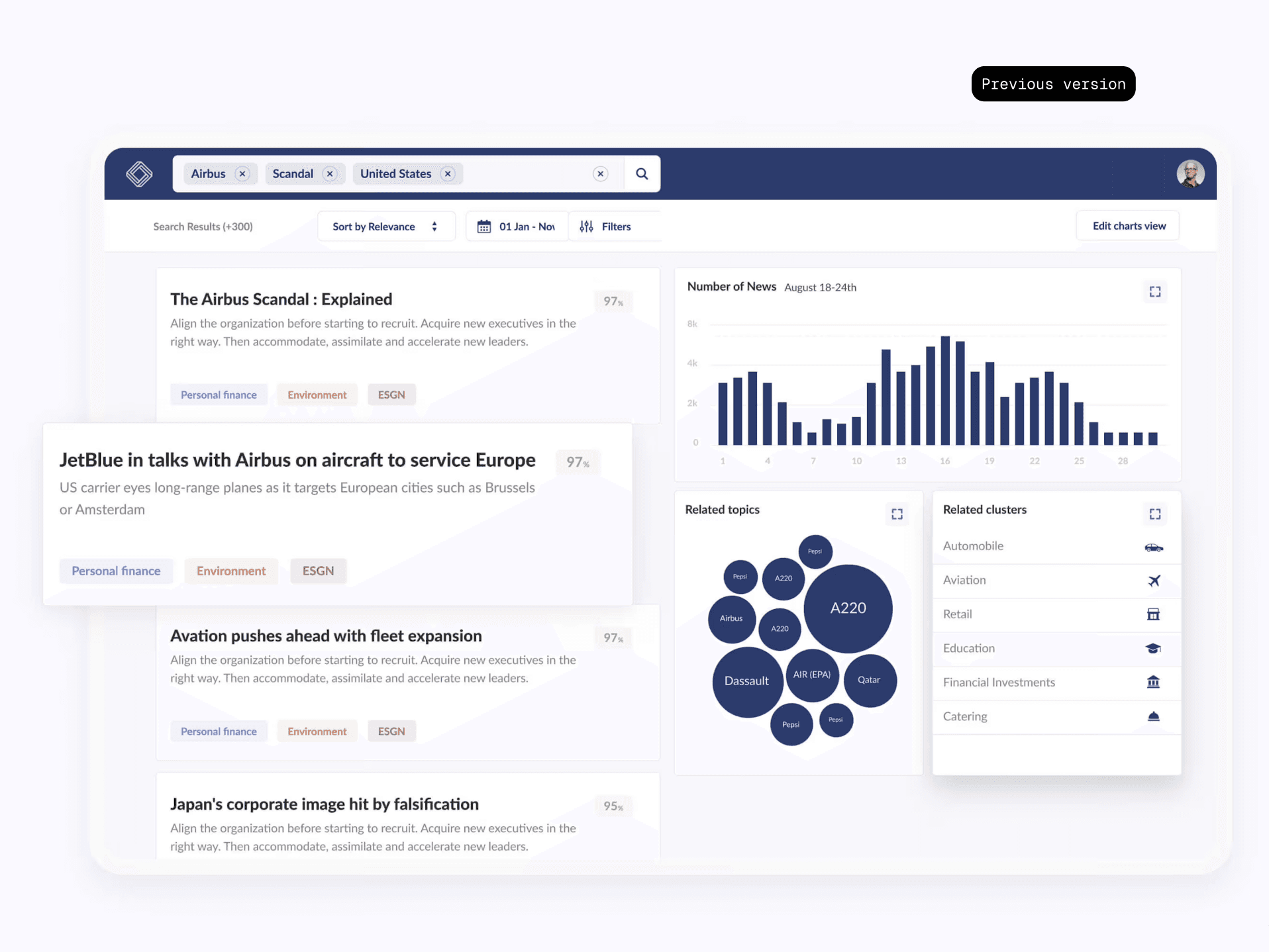
After several months of discovery, the product pivoted to focus on creating value by centralizing financial information, team knowledge, expert inputs, and discussions into a single hub. In other words, the strategy shifted from providing an analysis tool to a collaborative workspace designed to empower asset managers.
Thread redefined itself as an ecosystem built for financial teams aspiring to speed investment research workflows supported by AI.

So, how do brand systems help in this scenario?
In the early stages of shaping a product’s value proposition, teams often operate with a familiar mindset: “I don’t want pretty, I want fast.” This doesn’t literally mean rushing, it means: Build consciously smarter.
To support both immediate needs and future growth, the system must be flexible by default, because flexibility is what ultimately enables scalability.
At the heart of this system lies visual language. It may sound simple, but it plays a crucial role, especially in visual interfaces. Its adaptability allowed the introduction of new features seamlessly while effortlessly maintaining brand coherence.

But how is this flexibility achieved?
There is no secret: start simple, and let everything else build on the top. Business priorities will shift, new initiatives will be tested, but the foundational work will remain. Focus on delivering immediate value. Build only what you need, predictions at early stages are too risky.
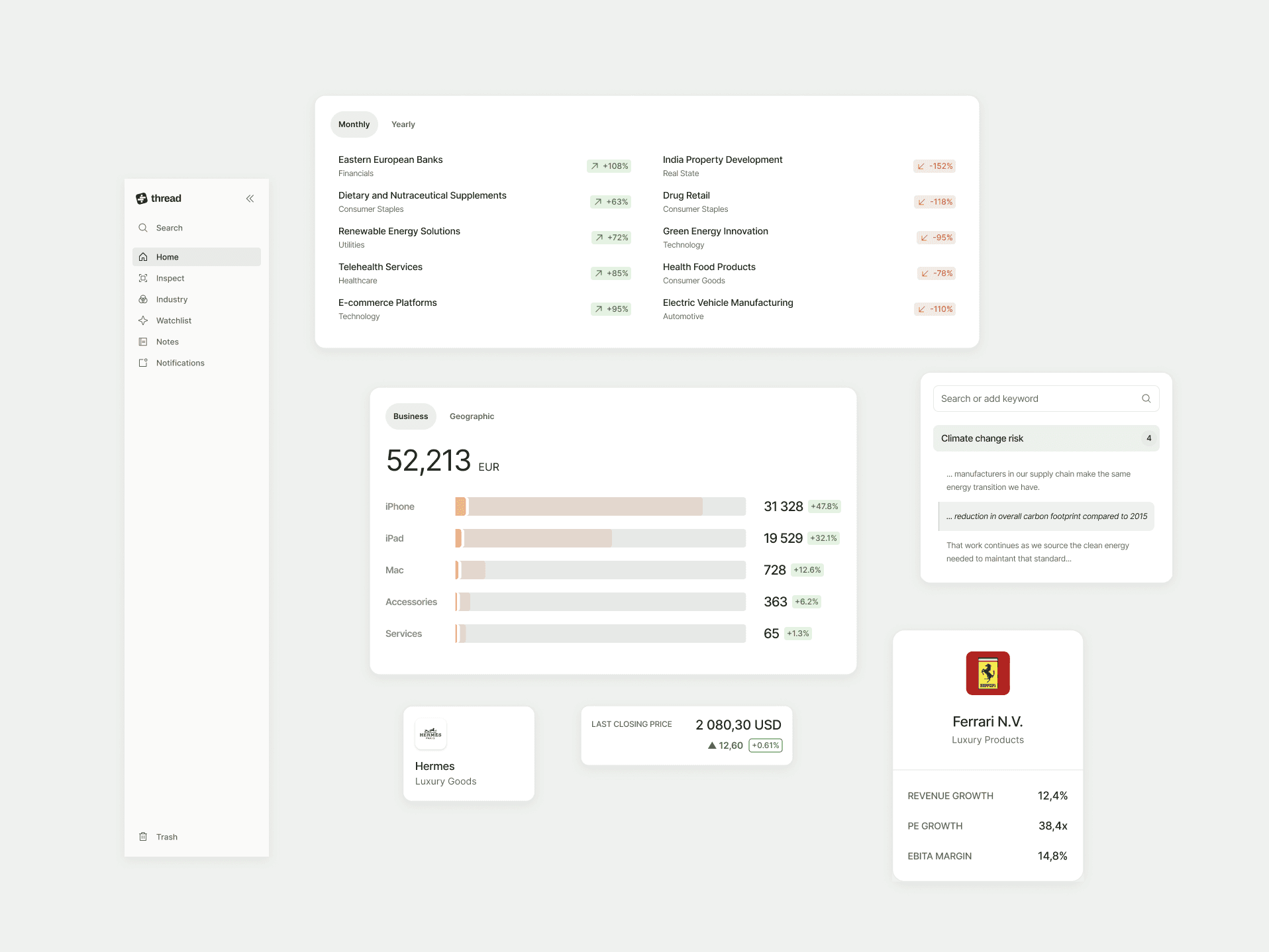
Stick to modularity by principle. Developing versatile brand assets and templates so variations are possible without compromising brand integrity.
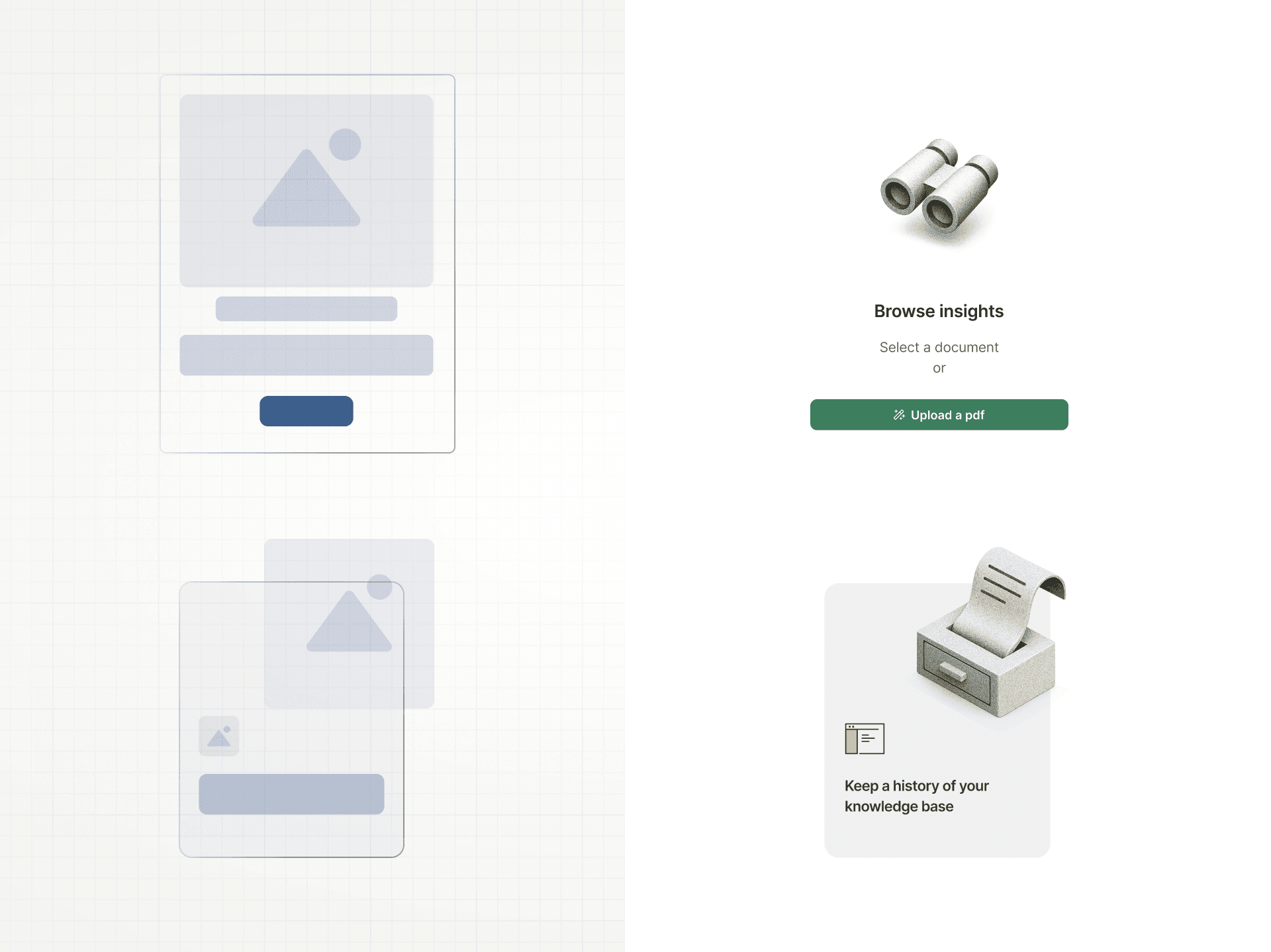
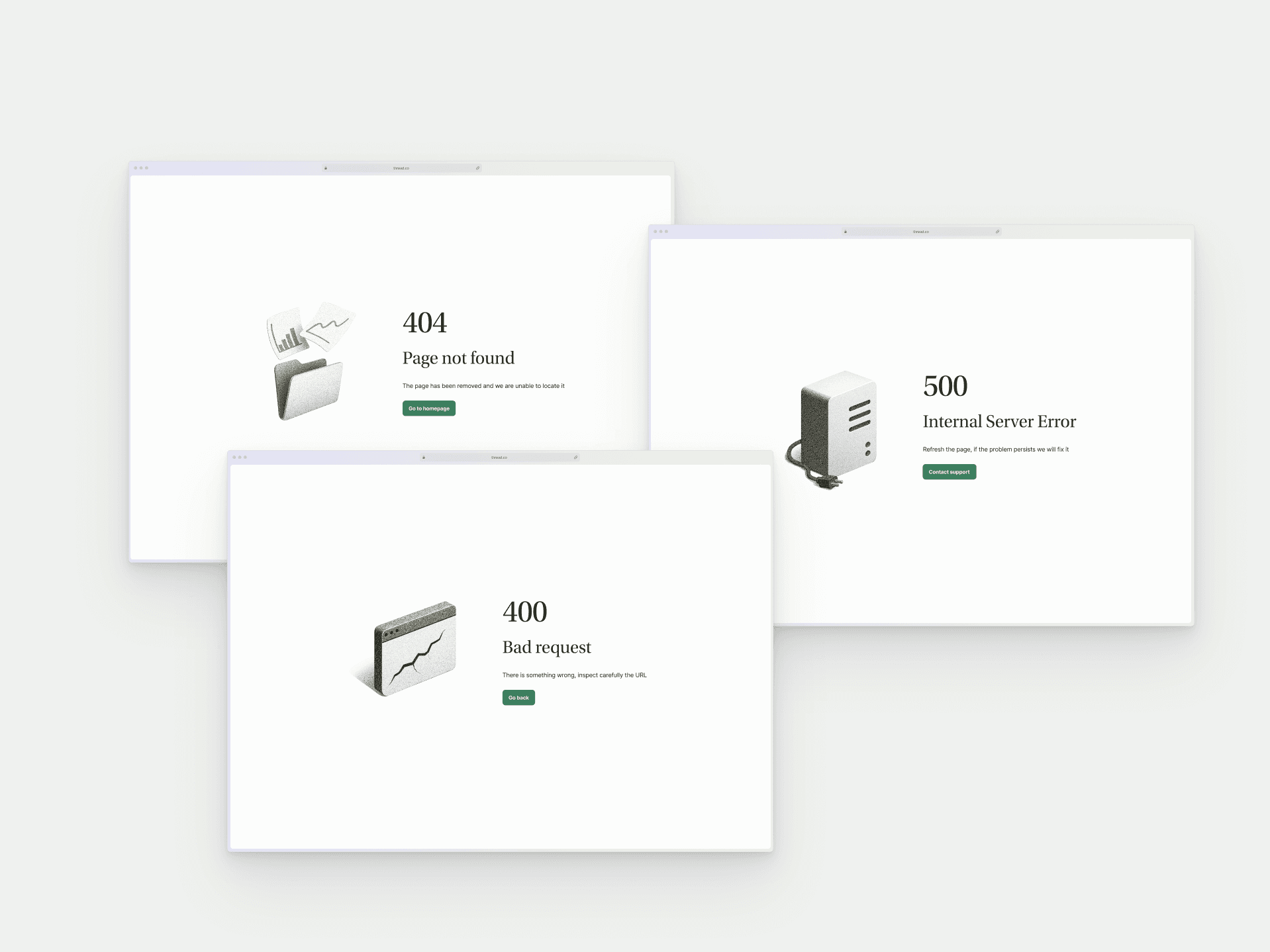
Finally, monitor, identify, and prioritize: build in review cycles, track metrics, and stay in continuous feedback loops with product teams so the brand system can adapt as you learn.

Some key outcomes fuelled by the speed and impact of this approach
5 new modules added
A new homepage featuring industry trends and summarized activity; industry clusters to explore specific markets; watchlists to track portfolio activity; a notes archive for knowledge sharing and contributing to investment theses; and a comprehensive, on-demand notification center.
44 new features delivered
In production in a span of 10 months.
It all comes with the organization, product maturity and how these grow together. This approach is just one among several ways to support both immediate needs and long-term scalability through systems.